Main winter anchors
Aloes and strong winter-flowering indigenous plants carry much of the heavy feeding load when other garden flowers slow down.
Bee-friendly plants
This little Bee Bandits shop is for gardeners who want more life, colour, and pollinator activity at home. Each listing focuses on plants that suit Cape Town conditions and give bees something worth visiting.
Plant availability can change seasonally. Use WhatsApp or the contact page to check what is ready now.
Current listings
A simple starting collection for anyone building a garden that feeds bees through more of the year.
Why these plants matter
The best bee gardens do not rely on one spectacular flowering moment. They combine strong seasonal nectar sources with reliable backup plants that keep forage available before, after, and between the big blooms.
Aloes and strong winter-flowering indigenous plants carry much of the heavy feeding load when other garden flowers slow down.
Plants like Cape honeysuckle and lavender help reduce starvation gaps by offering dependable nectar over a longer stretch of the year.
A hedge, border, or repeated drift is far more useful to bees than a single isolated plant, because it creates a larger, easier-forage nectar patch.
Combine shrubs, climbers, herbs, and indigenous flowering plants so bees can find food at different heights and across more of the seasons.
Shopping cart
0 items
Add plants or the Bee Garden Plant Assortment below to build your cart.
Final pricing, plant sizes, and availability are confirmed directly with Charles.
Starter bundle
A practical starter mix for gardeners who want a bee-friendly planting plan instead of choosing one plant at a time, with a ready-made balance of winter anchors and long-flowering support plants.
What it includes
Suggested bundle mix: Aloe Ferox, Buchu, Cape Honeysuckle, and Lavender.
Built to combine a main winter nectar source with indigenous support and longer-flowering garden backup.
Ideal for gardeners who want a balanced assortment for seasonal forage rather than a single feature plant.
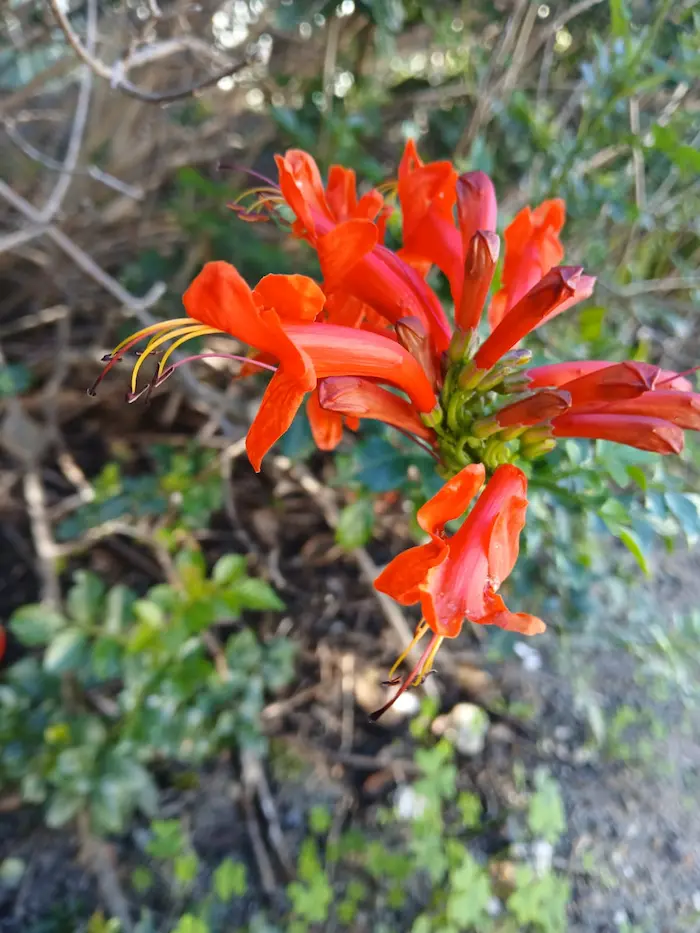
Tecoma capensis
Cape honeysuckle is very bee-friendly and especially useful in Cape Town gardens because it helps bridge nectar gaps between heavier flowering seasons.
Why add it
Produces nectar-rich tubular flowers that attract honeybees, carpenter bees, and even sunbirds.
Usually peaks from autumn through winter into spring, with sporadic flowering through much of the year in mild Cape Town conditions.
Works well as a shrub, hedge, or climber, which makes it easy to turn into a larger nectar patch.
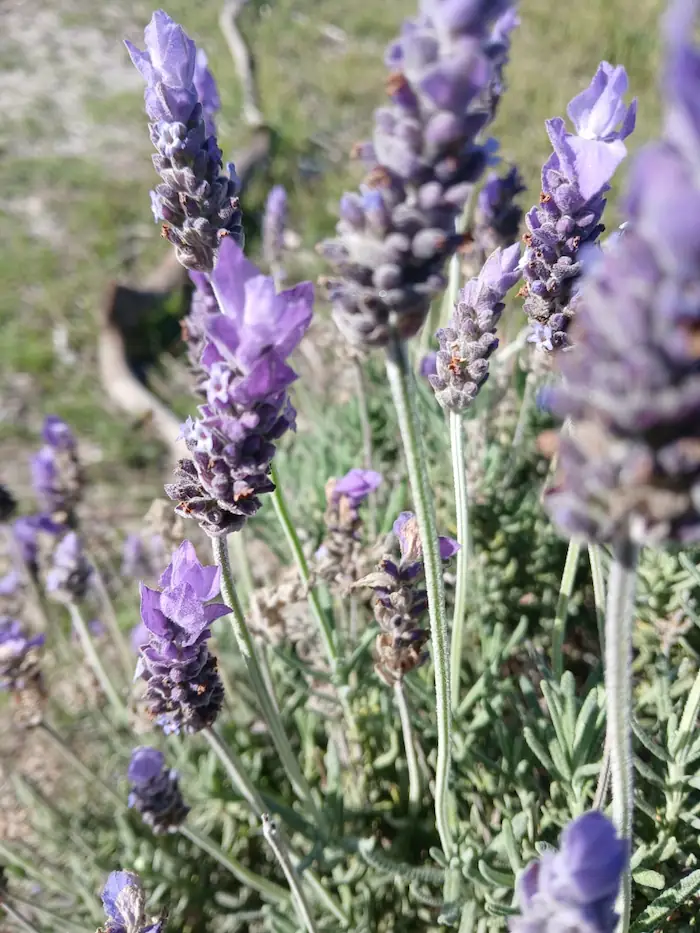
Lavandula dentata
Lavender is one of the most consistently bee-loved plants for sunny Cape Town gardens, with long flowering periods and easy nectar access.
Why add it
The flowers are especially attractive to honeybees and other small pollinators looking for a dependable nectar source.
French lavender can flower through much of the year in Cape Town, including into winter.
Works beautifully in borders, herb gardens, pots, and sunny walkways where bees can keep returning to the same patch.
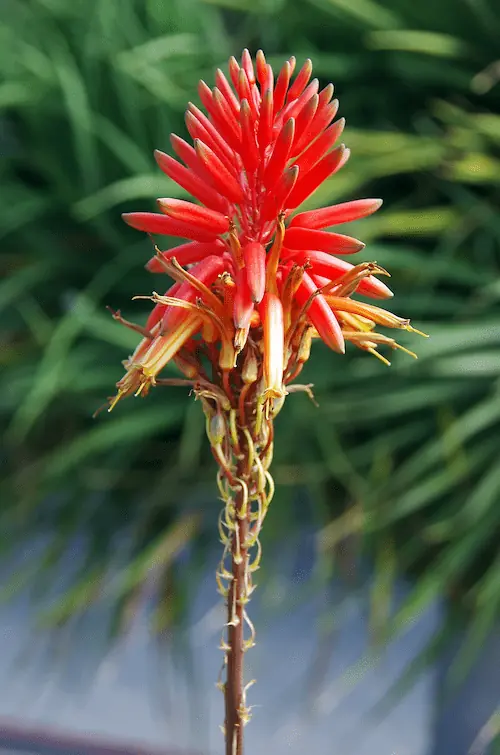
Aloe ferox
Aloe ferox is one of the most valuable winter bee plants in the Western Cape and a true backbone species for cold-season nectar.
Why add it
Produces huge amounts of nectar when little else is flowering strongly.
Typically flowers from mid-winter, especially June through August.
Supports bees, birds, and other pollinators while staying drought-tolerant and low maintenance.
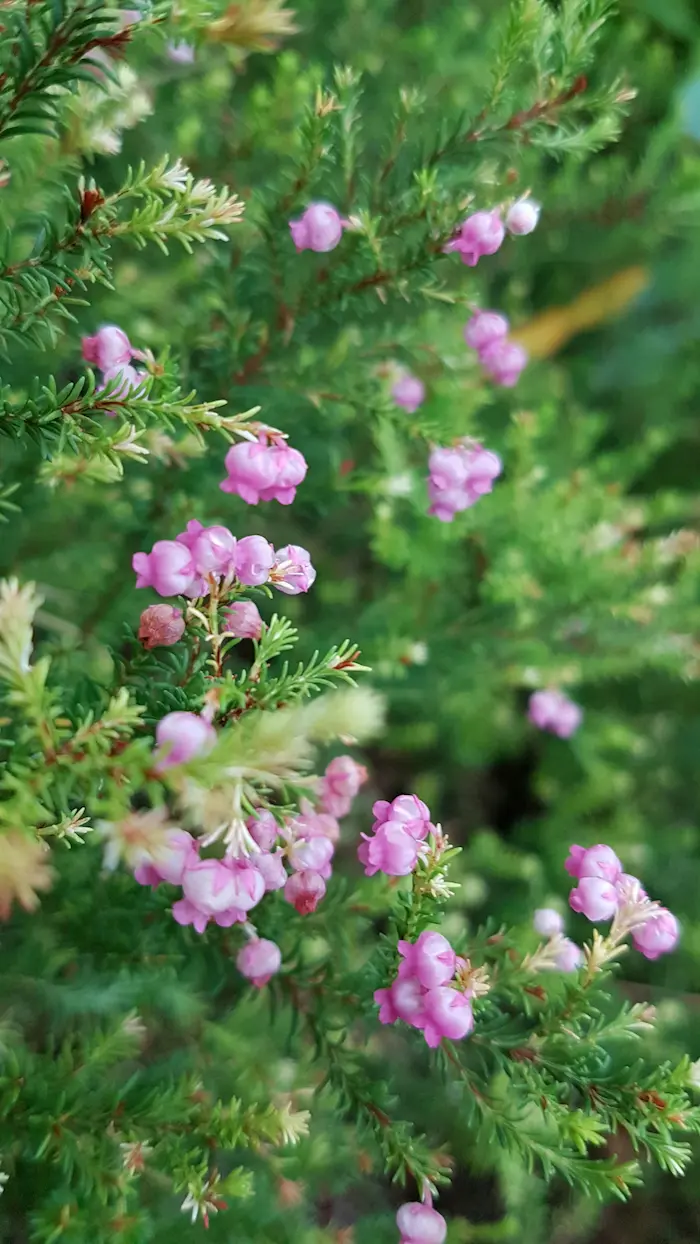
Agathosma species
Buchu is an indigenous fynbos shrub that helps bring winter forage into a Cape garden while staying rooted in the local ecosystem.
Why add it
Naturally adapted to Western Cape conditions and pollinator relationships.
Recognised as a strong winter food source for honeybees.
Adds fynbos diversity rather than relying only on ornamental garden plants.
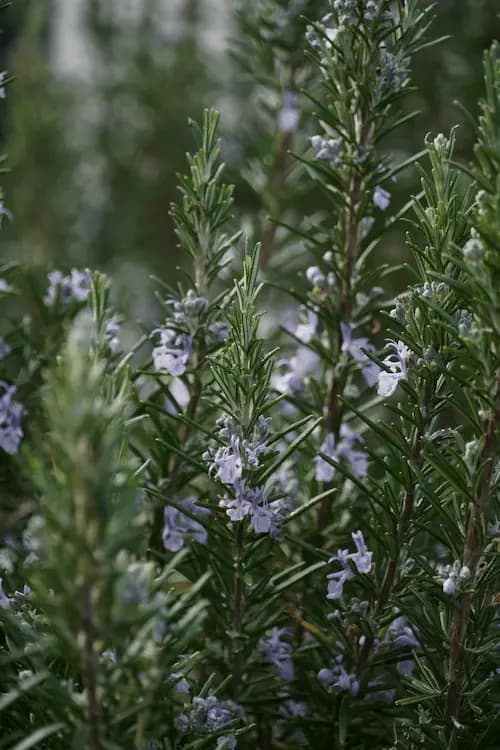
Rosmarinus officinalis
Rosemary is one of the most reliable bee plants for Cape Town gardens, especially through the cooler months when dependable forage really matters.
Why add it
Flowers heavily through the cooler months and gives bees an easy-access nectar source.
Handles Cape Town conditions well and thrives in sunny, well-drained spots.
Works beautifully as a hedge, herb garden staple, or productive border planting.
Tecoma capensis
Cape honeysuckle is very bee-friendly and especially useful in Cape Town gardens because it helps bridge nectar gaps between heavier flowering seasons.
Why bees love it
Produces nectar-rich tubular flowers that attract honeybees, carpenter bees, and even sunbirds.
Usually peaks from autumn through winter into spring, with sporadic flowering through much of the year in mild Cape Town conditions.
Works well as a shrub, hedge, or climber, which makes it easy to turn into a larger nectar patch.
It is reliable even when conditions are not perfect, and once established it handles wind, poor soil, and dry spells well.
Bees can actually reach the nectar, which matters more than many gardeners realise when choosing flowering plants.
It is not a heavy winter nectar source in the same league as aloes or some proteas, so it should not be your only winter bee plant.
Best used as a continuous backup supply alongside stronger winter forage such as aloes and other fynbos shrubs. Prune lightly rather than cutting hard to encourage more frequent flowering cycles and more bee visits.
Lavandula dentata
Lavender is one of the most consistently bee-loved plants for sunny Cape Town gardens, with long flowering periods and easy nectar access.
Why bees love it
The flowers are especially attractive to honeybees and other small pollinators looking for a dependable nectar source.
French lavender can flower through much of the year in Cape Town, including into winter.
Works beautifully in borders, herb gardens, pots, and sunny walkways where bees can keep returning to the same patch.
It suits gardeners who want something ornamental and useful at the same time, because it brings fragrance, structure, and steady pollinator value.
Lavender performs best in a sunny, well-drained position and is relatively low-fuss once established.
A light trim after flowering helps keep the plant tidy and encourages stronger repeat growth and more flowering cycles.
Best for sunny spaces where you want fragrance, structure, and reliable forage. It is not as dramatic a winter nectar source as aloes, but it is excellent for extending the feeding season and adding a dependable bee stop between bigger blooms.
Aloe ferox
Aloe ferox is one of the most valuable winter bee plants in the Western Cape and a true backbone species for cold-season nectar.
Why bees love it
Produces huge amounts of nectar when little else is flowering strongly.
Typically flowers from mid-winter, especially June through August.
Supports bees, birds, and other pollinators while staying drought-tolerant and low maintenance.
If you want one serious winter food source for bees, aloes are where to start.
Aloe ferox is especially useful in Cape gardens because it is hardy, architectural, and adapted to local conditions.
It works best as part of a broader bee garden, but it carries far more winter feeding weight than most ornamental plants.
Best used as a main winter nectar source rather than a filler plant. Build around it, then add supporting forage around the rest of the year.
Agathosma species
Buchu is an indigenous fynbos shrub that helps bring winter forage into a Cape garden while staying rooted in the local ecosystem.
Why bees love it
Naturally adapted to Western Cape conditions and pollinator relationships.
Recognised as a strong winter food source for honeybees.
Adds fynbos diversity rather than relying only on ornamental garden plants.
Buchu is especially useful for gardeners who want indigenous planting that still has clear value for bees.
Like many fynbos species, it works best in the right setting with sun, drainage, and a lighter touch.
It pairs well with aloes and other indigenous shrubs to create a more resilient forage cycle.
Best for gardeners who want to strengthen winter bee forage while building a more local, fynbos-friendly plant palette.
Rosmarinus officinalis
Rosemary is one of the most reliable bee plants for Cape Town gardens, especially through the cooler months when dependable forage really matters.
Why bees love it
Flowers heavily through the cooler months and gives bees an easy-access nectar source.
Handles Cape Town conditions well and thrives in sunny, well-drained spots.
Works beautifully as a hedge, herb garden staple, or productive border planting.
Rosemary is one of the easiest ways to add practical winter bee forage without needing a large garden.
Because it is both useful in the kitchen and valuable to pollinators, it suits gardeners who want a plant that earns its place in more than one way.
Planting it in groups or as a low hedge gives bees a much more rewarding forage patch than a single isolated bush.
Best used as a dependable everyday support plant alongside stronger seasonal nectar sources like aloes and longer-flowering shrubs.