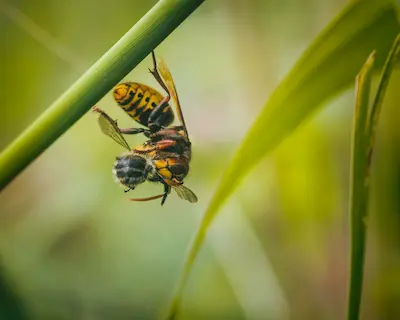
Wasp nests on rooflines and under eaves are among the most common callout types in Tokai and the surrounding Southern Suburbs. The elevated position makes them feel out of reach, but it also means attempting removal without the right equipment carries a real fall risk on top of the sting risk.
Why wasps choose high spots
Wasps favour sheltered, elevated locations for their nests — roofline overhangs, under fascia boards, behind guttering, and in gaps near roof tiles are all common sites. These spots offer protection from rain, wind, and most ground-level disturbance, which is exactly what a growing colony needs. The downside for homeowners is that the nest is often well-established before it becomes visible.
The risk of leaving it
A wasp nest on a roofline that goes unaddressed through the warmer months will keep growing. By late summer a nest can contain thousands of workers and the colony becomes significantly more defensive. Early removal — as soon as the activity is noticed — is always simpler, safer, and less disruptive than waiting until the colony is at full size.
What safe removal looks like
The job starts with an assessment of the nest location, likely size, and what access is actually needed. Charles works methodically — no rushed approaches, no unnecessary disturbance to the surrounding area. Once the nest is removed, the advice on sealing and prevention is part of every callout, not an optional extra.